Filmmaker Interview for “An Alternate Pond”
An Alternate Pond
Director: C Thomas Lewis (USA)
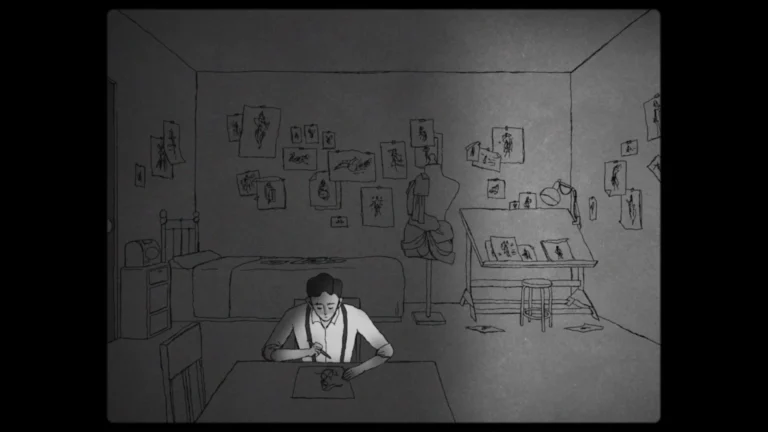
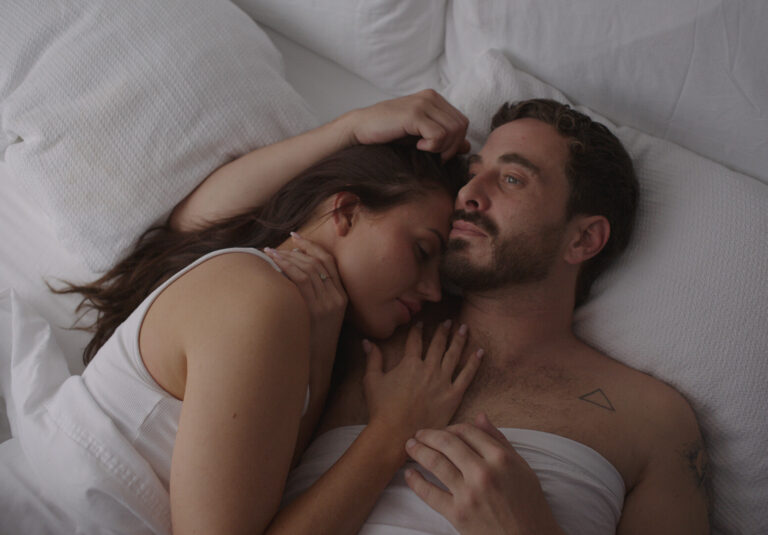
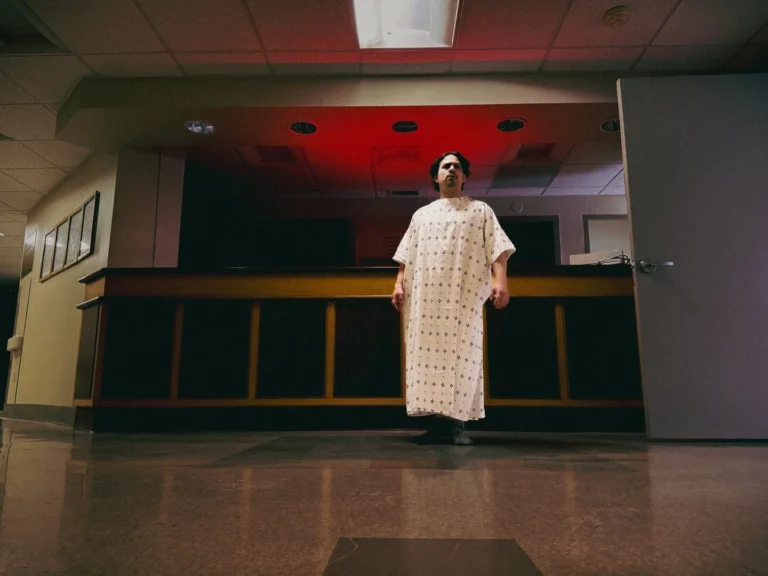
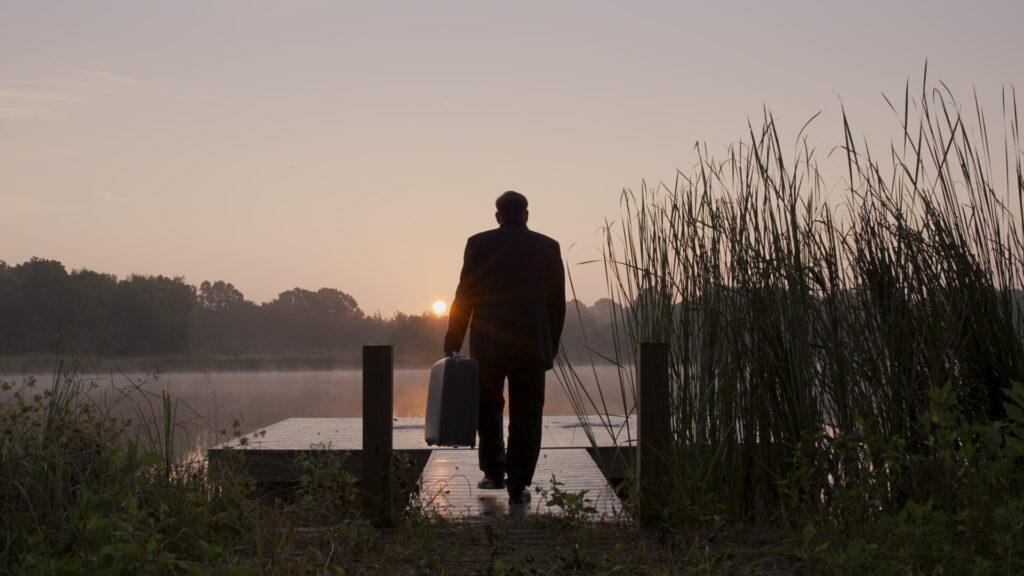
A man takes his boat out on a pond. A conversation with a fish becomes a meditation on the lives we didn’t live. Surreal imagery blurs the line between waking and dream as the film explores regret, aging, and the search for peace within the only life we have.
Experimental
EXPERIMENTAL FILMS (1:15pm – 3:00pm)
What drew you to create this film?
I started An Alternate Pond in 2021, looking for a project I could make safely during COVID. I had just finished an experimental film exploring the psychological landscape of my daughter, who lost her mother at fourteen, and I wanted to keep working in that same vein: surreal imagery drawn from an internal, unconscious world. I turned that approach toward aging and regret, themes my brother (the star of my film) had expressed to me in the past, and built a fiction around him using things we had on hand and our family farm as the location, a place where we could shoot safely. Much of the film’s key imagery (the bedroom in the field, the mirror, the suitcase and its contents) came to me in dreams or a semi-dreaming state, and I tried to harness that unconscious material directly into the film rather than script it and plan it conventionally. Though it was shot in 2021, the film took five years to finish. I abandoned it twice along the way, unsure I could solve its narrative problems, but I kept returning to it, and I’m glad I did. Some films come together right away, and others need a much longer incubation before they’re ready.
What does filmmaking mean to you?
I think I was drawn to filmmaking because of how many variables it gives you to work with: image, sound (spoken word, natural sound, music), and time, that can all be combined in infinite ways to express meaning. That richness is what pulled me in, and it’s an art form flexible enough to hold conventional documentary, narrative work, or the kind of experimental, quasi-narrative filmmaking I am now exploring. I came to photography first, at a very young age, and I still approach filmmaking largely from a cinematographer’s point of view: I’m drawn to the image and its power, which is why I keep a photography practice alongside my film work. For me, it’s about harnessing the strength of the visual and weaving it together with sound and time to find a form of expression that’s genuinely rewarding.
What advice would you give students or beginners that want to make films?
This is a common question, and the usual answer is “just shoot,” pick up a camera or your phone and start, which is true but not something I need to repeat. What I’d say is this: don’t assume film has to be tied to its more conventional forms, narrative or documentary about the outside world. It can work more like poetry, used metaphorically to explore an inner world, the internal emotional landscape we’re all carrying around. Even though film is a representational, photo-based medium, it doesn’t have to be about the external world alone. It can be about the constant internal life we’re all experiencing.
What films do you watch again and again?
Two films I keep returning to are Hide Your Smiling Faces (2013), directed by Daniel Patrick Carbone, and Columbus (2017), directed by Kogonada and shot in Columbus, Indiana. I love the European sensibility of Kogonada’s filmmaking, his composition and sense of time are mesmerizing to me. Hide Your Smiling Faces is a beautiful, haunting depiction of two adolescent brothers coming to terms with the senseless death of a younger friend, and it has stayed with me. Two filmmakers I deeply admire are John Cassavetes, who I consider the real godfather of American independent film, and Andrei Tarkovsky, whose highly imaginative sensibility set aside conventional realism to explore an internal, emotional landscape instead, which is what is currently inspiring me. If you haven’t seen a Tarkovsky film, I’d encourage you to open your mind to one. And I’ll add what I’ve said many times: the final scene of Andrei Rublev is, hands down, the greatest thing ever filmed in the history of cinema. I still stand by that.
An Alternate Pond screens on Friday the 18th during the Experimental Session at 1:15pm!