Filmmaker Interview for “The Mirror of Princes”

The Mirror of Princes
Director: Rubens Francesco Giusberti (Italy)
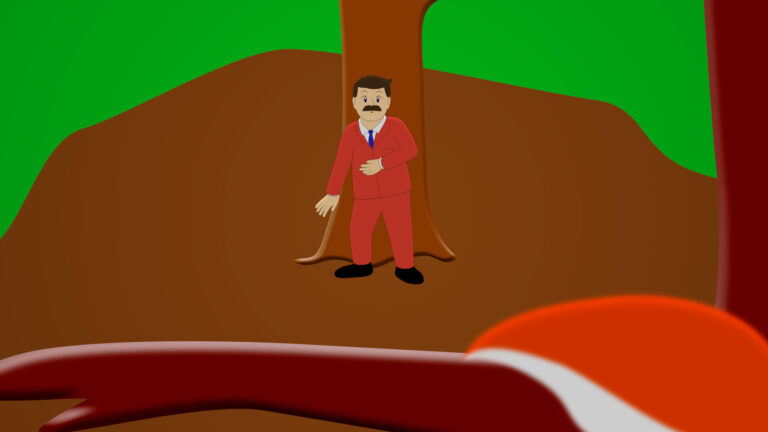
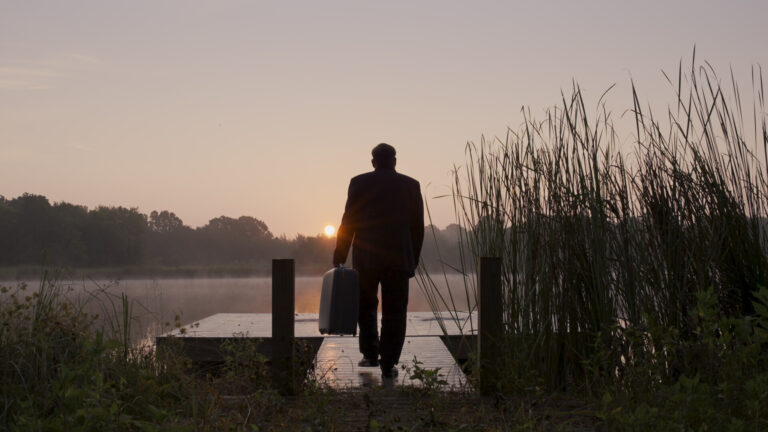
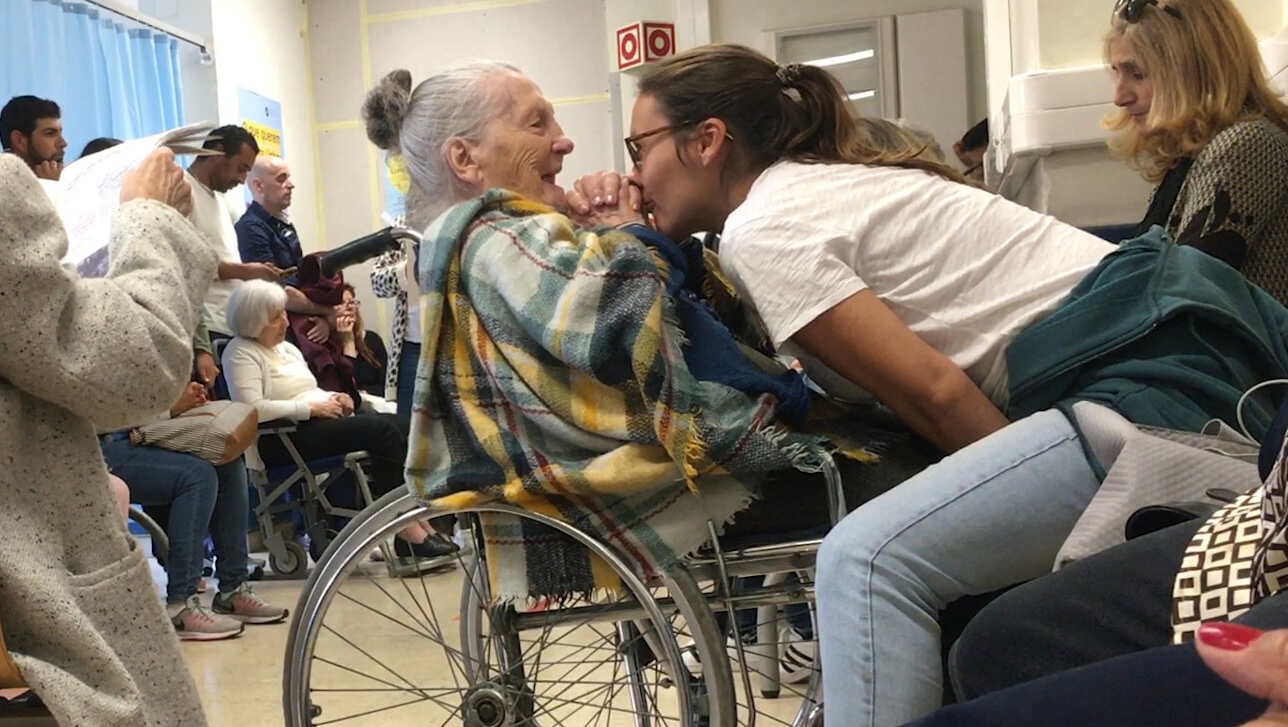
The Mirror of Princes, is the personal Divine Comedy of director Rubens Francesco Giusberti, a short film that depicts a fresco of contemporary reality. The work addresses universal themes and philosophical-existential questions related to mankind, using symbolic language and images captured from different parts of the world.
Experimental
EXPERIMENTAL FILMS (1:15pm – 3:00pm)
What is my film about?
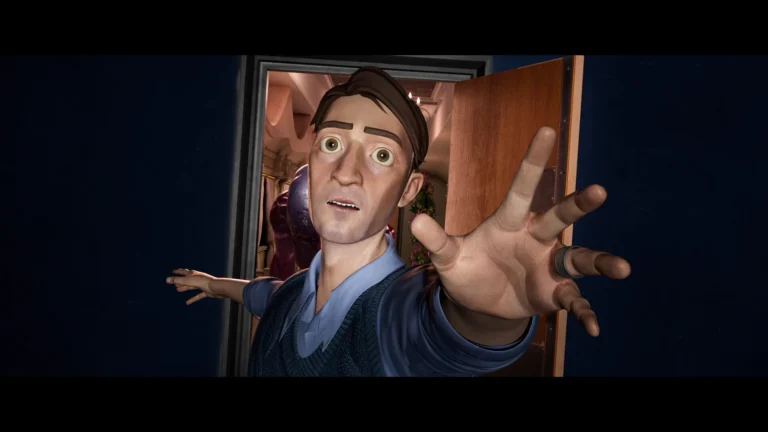
My film is a contemporary Divine Comedy. It opens with a series of documentary images, inviting the viewer to embark on a journey through a labyrinth of symbolic imagery, before transforming into an original film with the arrival of a mysterious character — the Uninvited Guest — who engages in an enigmatic dialogue with the audience. The three worlds of the film — Inferno, Purgatory, and Paradise — do not correspond exactly to Dante’s realms. This being my own personal Divine Comedy, I overturn the classical meanings attached to these three worlds through a film built entirely on a symbolic language made of image and music alone, designed to speak directly to the viewer’s unconscious.
What drew you to create this film?
From a technical and aesthetic standpoint, what drove me to create this work was the ambition to make a film that would go beyond traditional cinematic language — transcending it through a symbolic language composed solely of image and music, one capable of removing the intermediation of dialogue and of the Word, and of speaking directly to the viewer’s mind, inviting them on a journey that may feel like walking through a labyrinth.
As for the idea behind the film, what drove me was the notion that the viewer could become the true protagonist of the work: they are invited to travel inside my own personal, contemporary Divine Comedy — set in today’s world. The viewer is thus invited to journey through my particular Inferno, Purgatory, and Paradise, and after passing through this labyrinth of images, they are given the freedom to form their own idea of what they have seen, interpreted, perceived, and thought during the screening of the film.
What does filmmaking mean to you?
To me it means EVERYTHING. It means my entire life. It means seeing my very existence through a perpetually cinematic gaze. I love this art and this work so deeply that everything I do and see in everyday life becomes, for me, my cinema — my next film, my next idea. Making films means doing what I love most in the world; I want nothing else but to make cinema for the rest of my life.
Filmmaking means being able to express myself and my imagination in the highest and most complete way possible. Only through cinema — this magical and supreme art — can I create the worlds I want to create. Without cinema, they would remain films locked inside my imagination, because no other artistic medium could ever satisfy me: only cinema can bring entire, complete worlds into being, truly and totally.
Cinema not only unites all the arts; it is the only one that can genuinely create — and immerse you in — a universe never seen before. This is the magic of cinema, and it is the greatest privilege to be able to create and realize my worlds through this art. Having the ability to create these worlds through cinema is what I love most in the world, and the fact that I, as a director, am the one who creates them is the greatest gift life could ever have given me.
What advice would you give students or beginners who want to make films?
I would advise them not to do what many do: instead of filming or writing their own films every day, they spend most of their time studying cinema academically, endlessly analyzing or critiquing films, or competing over who has seen the most. That is the work of a critic, not of a director. A director does. All of that has its importance — I myself, loving cinema above all else, am a cinephile and love to analyze and reflect for hours and days on every film I’ve seen — but that is not what matters most. What matters is not commenting on cinema, but making it.
So my advice is: do, do, and do again. It doesn’t matter what means or how much money you have at your disposal — make the film anyway, if that is truly what you want. It is precisely in that moment, when you manage to make a film with nothing, that it becomes clear whether you are a filmmaker — whether you are a true artist or not. In fact, it is exactly then that the true artist turns those limitations into a propelling force of creative energy and realization.
Cinema is an art, and therefore it can be made by anyone, anywhere — and there are no rules. There are no rules precisely because it is an art: you don’t necessarily need film school or an academy to learn how to make films, because being an art, it is free and open to everyone. There are no limits. The only thing that matters is to act — to start filming with whatever means you have, wherever you are. What matters is to always film and always write, and to find any possible way to bring your film into existence.
What films do you watch again and again?
These are not necessarily my favorite films, but I watch them constantly, because they are films to be seen and seen again: they represent the essence of cinema and what cinema truly is — the immersion in other worlds, and the possibility, as a viewer, of undertaking a journey inside them.
8½ by Federico Fellini
Solaris by Andrei Tarkovsky
Faust by Alexander Sokurov
Russian Ark by Alexander Sokurov
The Birds, the Bees and the Italians (Signore & Signori) by Pietro Germi
A Fistful of Dollars by Sergio Leone
Bad Lieutenant by Abel Ferrara
The Motorcycle Diaries by Walter Salles
Pulp Fiction by Quentin Tarantino
Kill Bill: Vol. 1 and Vol. 2 by Quentin Tarantino
Barry Lyndon by Stanley Kubrick
The White Ribbon by Michael Haneke
The Man Who Loved Women by François Truffaut
The 400 Blows by François Truffaut
Breathless (À bout de souffle) by Jean-Luc Godard
The Mirror of Princes will screen during the experimental film screening on Friday the 18th that starts at 1:15!