Filmmaker Interview for “The Wild Snail”
The Wild Snail
Director: Pierre Ajavon (France)
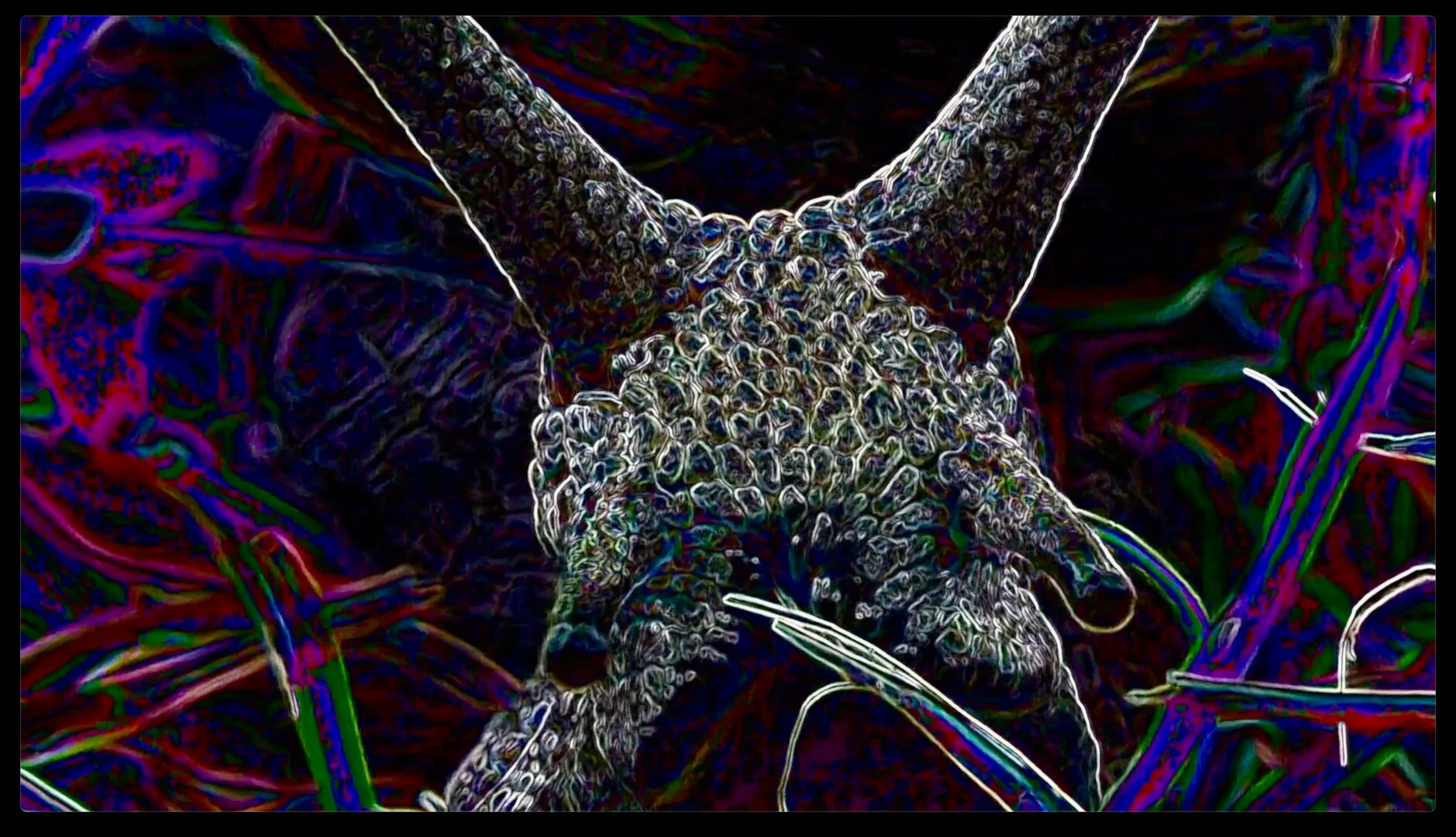
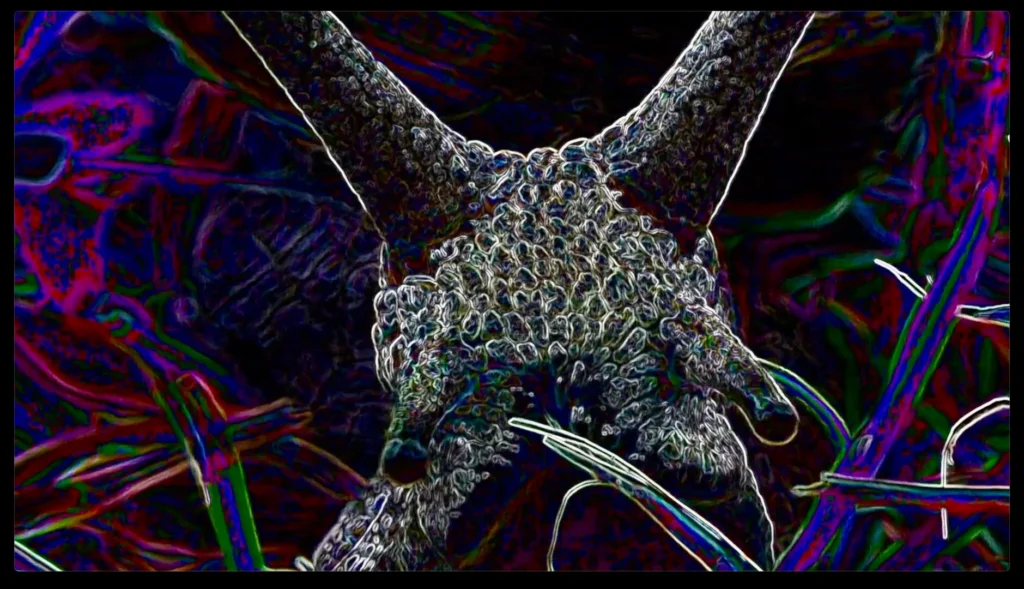
By transforming a timelapse of a snail into an audiovisual palindrome, “The Wild Snail” explores the reversibility of time and the breathing of the world.
Through image-sound symmetry, the film unfolds as a meditative loop where movement becomes texture and slowness turns into a form of resistance to contemporary acceleration.
Experimental
EXPERIMENTAL FILMS (1:15pm – 3:00pm)
What drew you to create this film?
I was drawn to the simple, almost imperceptible movement of a snail. Through timelapse, this very slow movement becomes visible and takes on another rhythm.
I became interested in pushing this transformation further by transforming the image and turning the sequence into a palindrome, so that time seems to move forward and then fold back on itself.
What does filmmaking mean to you?
Filmmaking is an extension of my musical and visual research. For me, it’s a way to “film sound”, to give form to what is usually intangible.
My practice is rooted in psychedelic culture, surrealism, and sonic experimentation.
I see film as a medium that doesn’t need to rely on words; it can speak directly to the subconscious through rhythm, color, distortion, and silence.
It’s about crafting a kind of visual composition, music for the eyes.
What advice would you give students or beginners that want to make films?
Trust your inner vision and don’t be afraid of imperfection. Use the tools you have and explore their limits.
Let sound and image speak before trying to explain them.
Watch experimental cinema, and listen closely to how silence or noise can shape a narrative.
And above all: break your own rules. That’s where things start to come alive.
What films do you watch again and again?
Heaven and Earth Magic by Harry Smith, for its handcrafted alchemy of collage, rhythm, and sound.
Dreams That Money Can Buy by Hans Richter, a visionary blend of visual poetry, subconscious narrative, and experimental form.
The Dante Quartet by Stan Brakhage, an explosion of pure visual sensation and painted cinema.
And I often return to Eraserhead by David Lynch for its dense atmosphere and dream logic.
Anything else you’d like to add?
Thank you for including Modern Vertigo in this year’s Mosaic World Film Festival.
I believe festivals like yours are essential spaces for alternative, poetic, and non-verbal expressions in cinema to be seen and shared.
I’m very honored to be part of it.